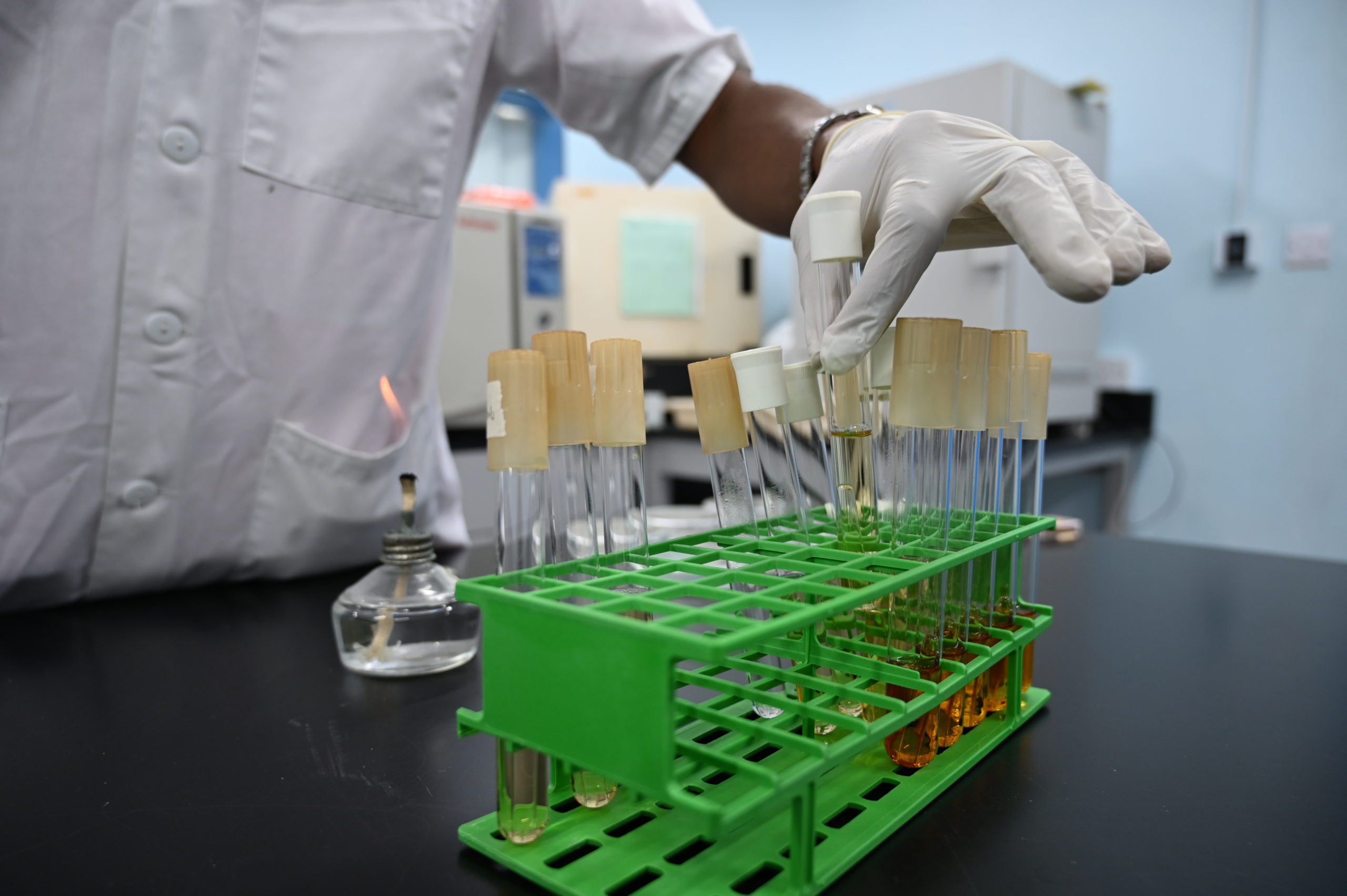
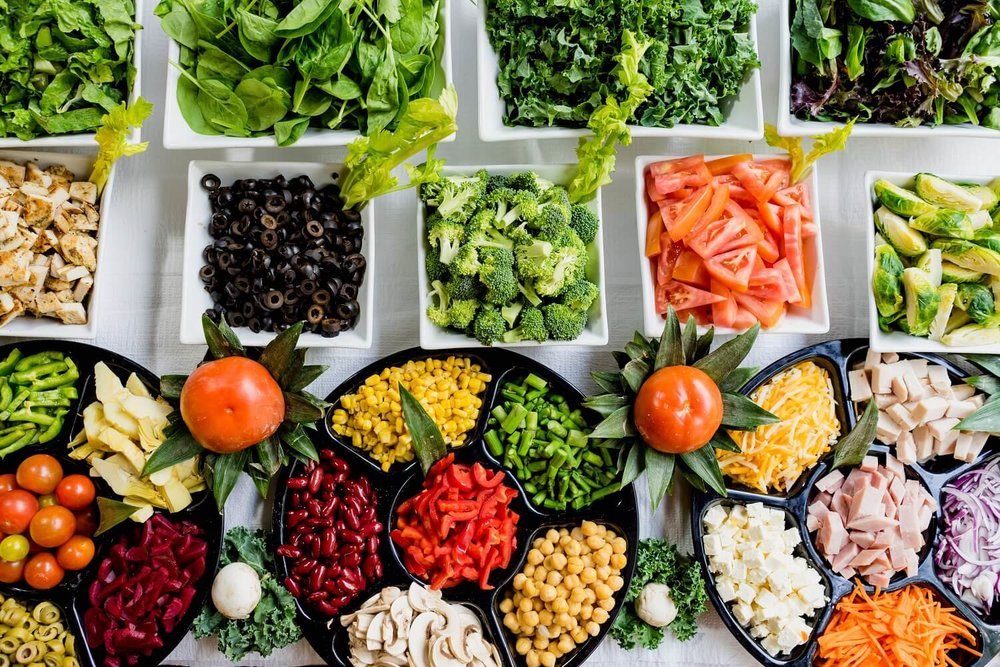
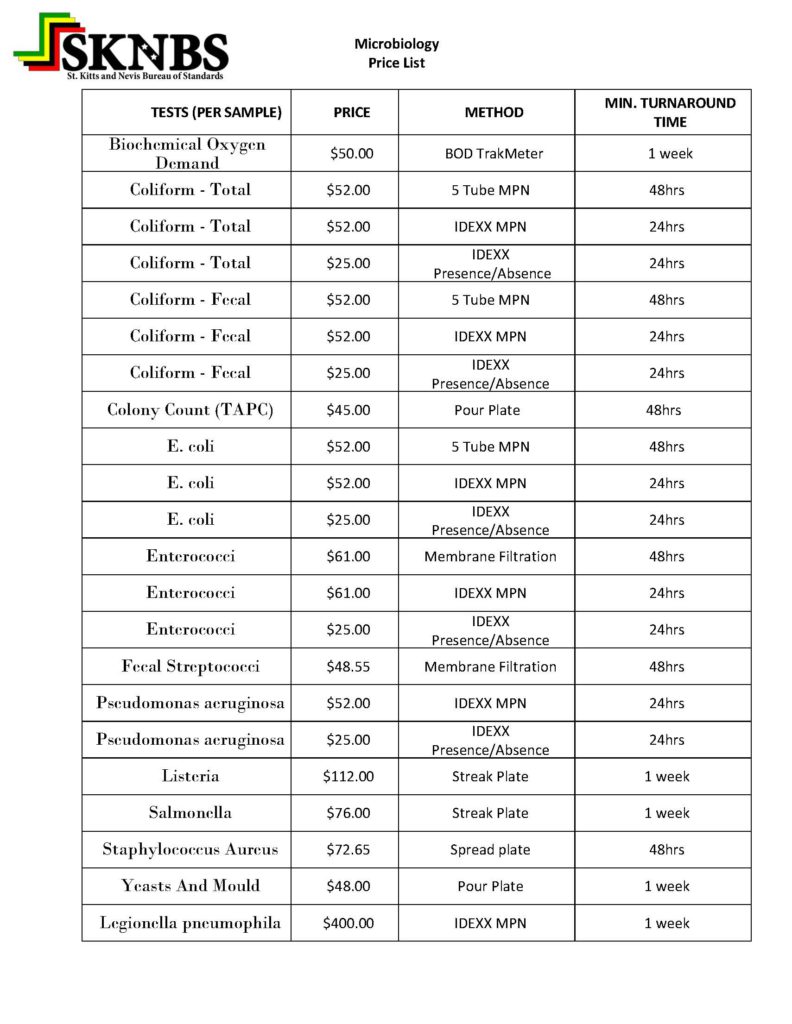
Microbiology is the study of all living organisms that are too small to be visible to the naked eye. This includes bacteria, archaea, viruses, fungi, prions, protozoa, and algae, collectively known as ‘microbes’ or ‘microorganisms’. The safety of food and water is vital to our health. Food testing ensures the safety of products and also prevents the release of contaminated food or beverages to consumers.
ISO 17025 Benefits
ISO 17025 is an internationally recognized standard that outlines the general requirements for the competence of testing and calibration laboratories. Accreditation to this standard demonstrates that a laboratory meets a set of criteria for technical competence, management system, and quality assurance, and provides many benefits to laboratories, including:
Improved Credibility and Recognition: Accreditation to ISO 17025 enhances the reputation and credibility of a laboratory, as it demonstrates that it has met a recognized international standard. This can help the laboratory to gain recognition from customers, regulatory bodies, and other stakeholders.
Improved Quality of Results: ISO 17025 accreditation requires that laboratories have a quality management system in place, which includes procedures for managing the quality of testing and calibration activities. This leads to improved accuracy, reliability, and consistency of results.
International Acceptance: ISO 17025 accreditation is recognized globally and accepted by developed countries. Laboratories accredited to this standard can demonstrate their competence to clients and customers across the world.
Improved Efficiency and Effectiveness: Accreditation to ISO 17025 requires laboratories to have documented procedures in place for all aspects of their work. This helps to improve the efficiency and effectiveness of laboratory operations, reducing the risk of errors and improving productivity.
Competitive Advantage: Accreditation to ISO 17025 provides a competitive advantage to laboratories by demonstrating their technical competence and commitment to quality. This can lead to increased business opportunities and improved customer satisfaction.
The aim of the St. Kitts and Nevis Bureau of Standards Microbiology Laboratory is to isolate and identify microorganisms found in food and water. We specialize in microbiological services on food (cooked and raw) and water (drinking, bottled, marine, pond, well, waste). Our experienced and highly trained team is focused on delivering timely, accurate, and reliable results. This commitment is guaranteed by ceaselessly using strict quality control practices and methodologies.
Raw & Cooked Food Analyses include:
Total Aerobic Plate Count (TAPC)
Total Coliform
Fecal Coliform
E. coli
Salmonella
Staphylococcus aureus
Listeria
Yeast & Mold
Water Analyses include:
Total Aerobic Plate Count (TAPC)
Total Coliform
Fecal Coliform
E. coli
Enterococcus
Fecal Streptococcus
Biochemical Oxygen Demand (BOD)
Legionella
This website has been produced with the financial assistance of the European Union. Its contents are the sole responsibility of the St. Kitts and Nevis Bureau of Standards and can under no circumstances be regarded as reflecting the position of the European Union.
The SKNBS is a department under the Ministry of Trade.
Website: https://www.miticca.gov.kn/
Phone Number: 1 (869) 467-1069
Email Address: foreigntrade@gov.kn